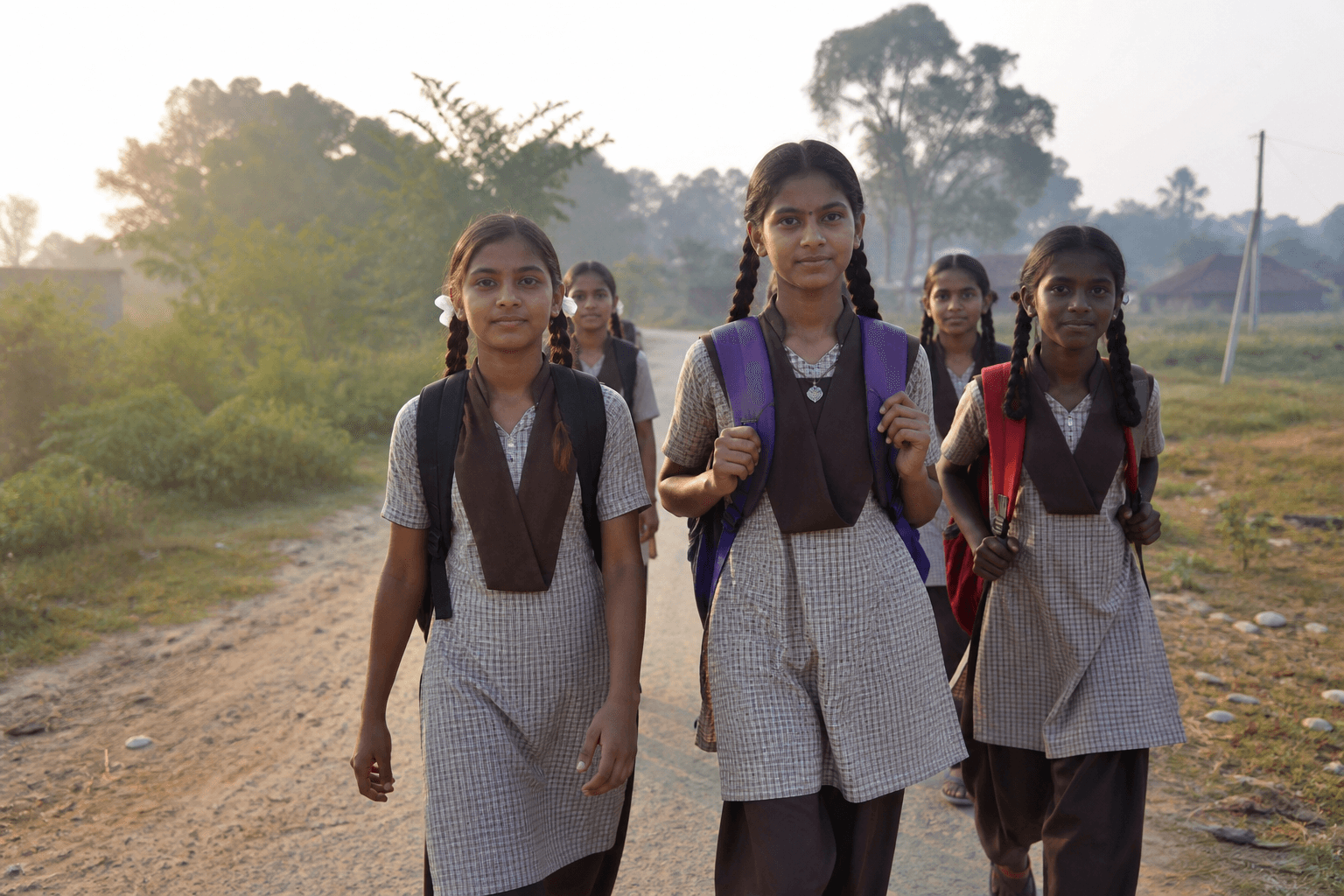
India has improved girls' enrolment in many regions, but challenges remain — especially for girls from underprivileged and rural households. Early responsibilities at home, safety concerns, social expectations, and limited career exposure can interrupt education.
Common barriers
- Household work and sibling care competing with study time
- Distance and safety worries for secondary school travel
- Lack of menstrual hygiene support and privacy at school
- Fewer visible role models in STEM and professional careers
- Financial pressure that prioritises boys' continuing education
What helps in practice
Community encouragement, scholarship awareness, safe learning spaces, hygiene programmes, mentoring by women professionals, and after-school support all help girls stay in school longer and aim higher.
Parents and teachers need partnership — not blame. When families see clear pathways from education to dignity and livelihood, support grows.
A shared responsibility
NGOs, schools, volunteers, and donors can create environments where girls learn confidently. Career guidance and digital skills are especially powerful for expanding choices.
Support LAF programmes through volunteering, donations, or by sharing opportunities with families who need them. Every girl who stays in school strengthens her community.