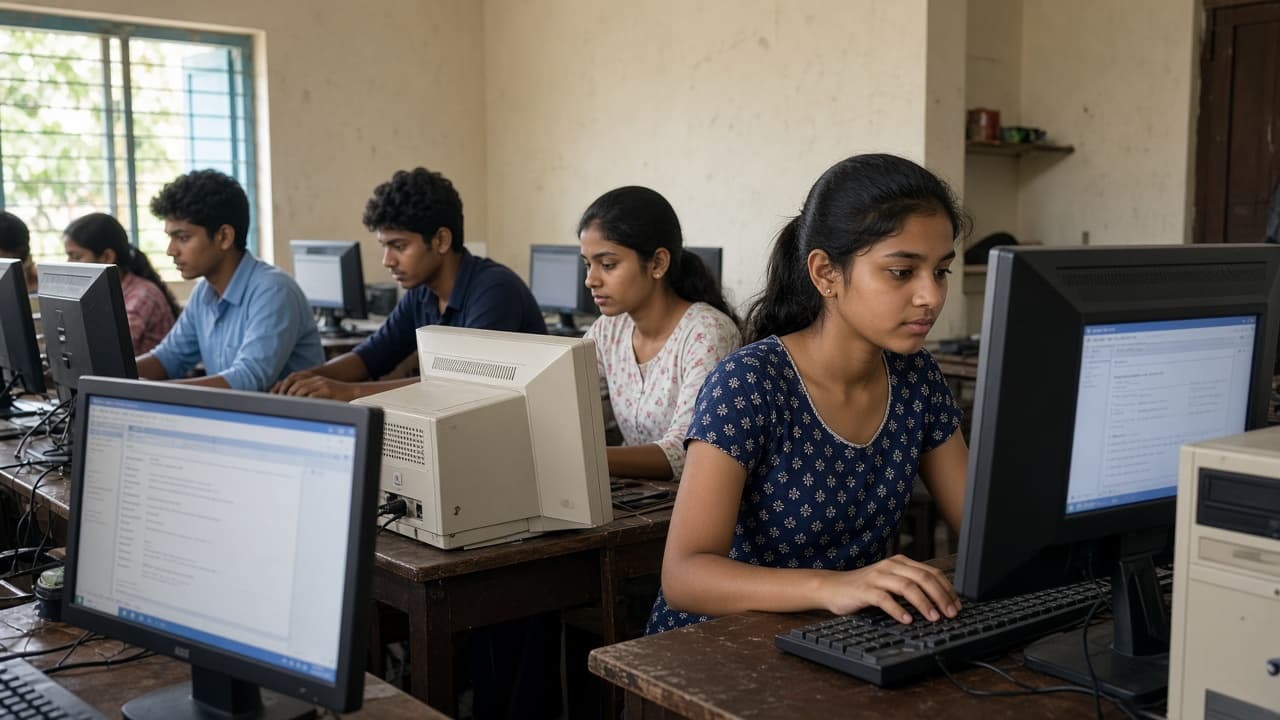
Filling a scholarship form, checking exam results, attending a tele-counselling session, or applying for a first job — all of these now assume comfort with devices and the internet. For many rural and underprivileged students, that assumption is unfair.
Digital literacy means more than knowing how to open WhatsApp. It includes typing, safe browsing, email, basic office tools, and the confidence to learn new apps.
The risk of leaving students behind
When schools move notices online and colleges expect scanned documents, families without computers depend on cyber cafés or neighbours. Mistakes cost money and opportunity. Free community labs and structured classes close that gap.
Skills every student should practise
- Typing and file management
- Email and online forms
- Internet safety and privacy basics
- Word processing and spreadsheets
- Introductory coding or Scratch for logical thinking
What supporters can do
Donate working laptops, sponsor lab hours, or volunteer as a trainer. Explore LAF's learning library and ways to help, including technology donations for our centres.